
Towing Preparation
Towing Load Limits
Your vehicle can tow a trailer if you carefully observe the load limits, use the proper equipment, and follow the towing guidelines. Check the load limits before driving.
- Check if all loads are within limits at a public scale. If a public scale is not available, add the estimated weight of your cargo load to the weight of your trailer (as quoted by the manufacturer), and then measure the tongue load with an appropriate scale or tongue gauge or estimate it based on cargo distribution.
- Refer to the trailer owner’s manual for additional information.
- Avoid towing a trailer during your vehicle’s first 600 miles (1,000 km) for a break-in period.
 WARNING
Exceeding any load limit or improperly loading your vehicle and trailer can cause a crash in which you can be seriously hurt or killed.
Check the loading of your vehicle and trailer carefully before starting to drive.
Total trailer weight
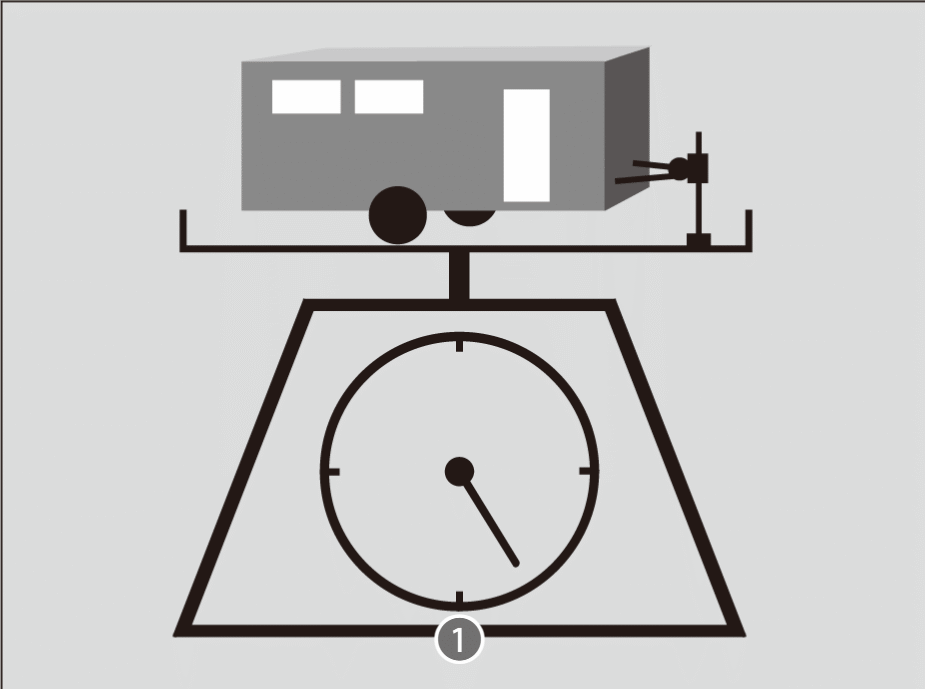

Total Load
Do not exceed the maximum allowable weight of the trailer, cargo, and everything in or on it shown in the table. Towing loads in excess of this can seriously affect vehicle handling and performance and can damage the engine and drivetrain.
|
Number of occupants |
Total trailer weight |
|---|---|
|
2 |
5,000 lbs (2,268 kg) |
|
3 |
4,750 lbs (2,155 kg) |
|
4 |
4,500 lbs (2,041 kg) |
|
5 |
4,250 lbs (1,928 kg) |
Each weight limit is calculated based on the following conditions:
- Occupants fill seats from the front of the vehicle to the back
- Each occupant weighs 150 lbs (68 kg)
- Each occupant has 17.6 lbs (8 kg) cargo in the cargo area
Any additional weight, cargo, or accessories reduce the maximum trailer weight and maximum tongue load.
Tongue load
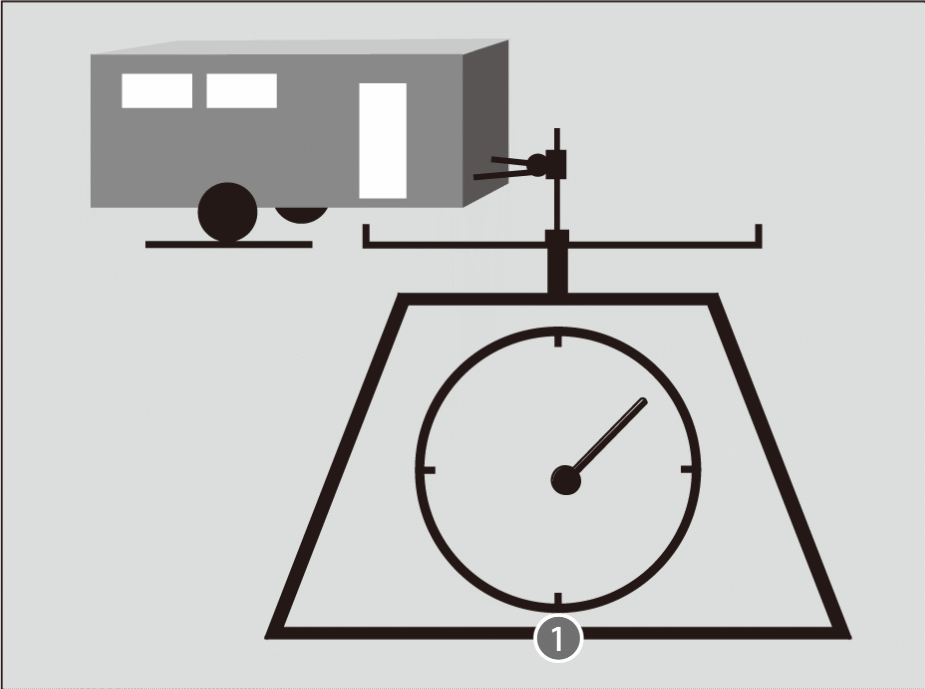
Tongue Load
The weight of the tongue with a fully loaded trailer on the hitch should be approximately:
Boat trailers: 5 – 15% of the total trailer weight
Other trailers: 10 – 15% of total trailer weight
|
Number of occupants |
Tongue load |
|---|---|
|
2 |
500 lbs (227 kg) |
|
3 |
475 lbs (215 kg) |
|
4 |
450 lbs (204 kg) |
|
5 |
425 lbs (193 kg) |
How to weigh the trailer loads using the public scale
Check each weight in the order indicated as shown.
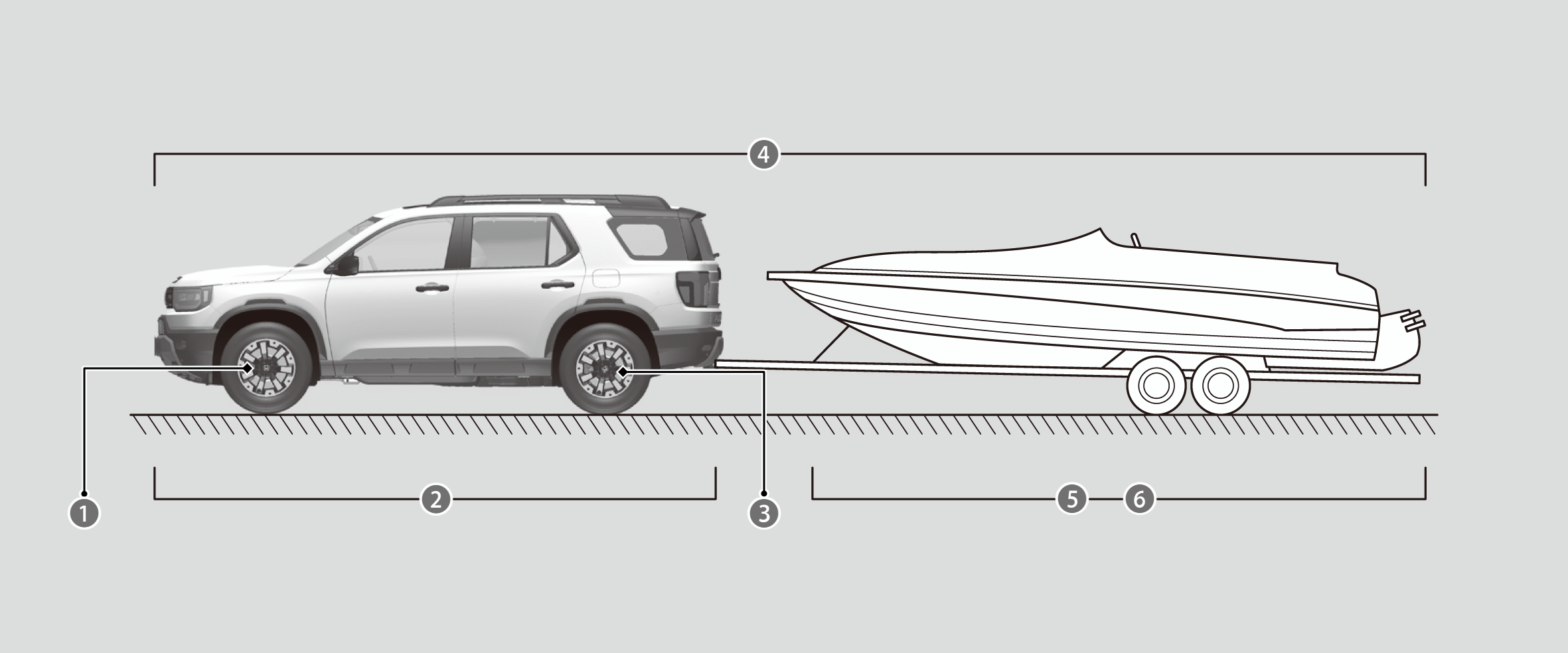
Front gross axle weight

Gross vehicle weight

Rear gross axle weight

Gross combined weight

Hitched trailer weight

Unhitched trailer weight
- If you cannot weigh the rear axle, subtract () from ().
- The maximum gross combined weight () decreases by 2% for every 1,000 feet (305 meters) of elevation.
- To calculate the tongue load, subtract () from ().
- Refer to the trailer owner’s manual for additional information.
Table for the Each Weight’s Limit (except for the tongue load)
|
Weight limit for |
|
|---|---|
|
Front gross axle |
3,064 lbs (1,390 kg) |
|
Gross vehicle |
5,820 lbs (2,640 kg) |
|
Rear gross axle |
3,274 lbs (1,485 kg) |
|
Gross combined |
10,163 lbs (4,610 kg) |
Fully load the vehicle and trailer. An attendant who watches the scale is needed as all occupants should stay in the vehicle.
Towing Equipment and Accessories
Towing generally requires a variety of supplemental equipment. To ensure the best quality, we recommend that you purchase Honda equipment whenever possible.
- Make sure that all equipment is properly installed and maintained, and that it meets federal, state, province/territory, and local regulations.
- Consult your trailer sales or rental agency if any other items are recommended or required for your towing situation.
- Consult your trailer maker for proper installation and setup of the equipment.
- Improper installation and setup can affect the electrical components, handling, stability, and braking performance of your vehicle.
- The lighting and wiring of trailers can vary by type and brand. If a connector is required, it should only be installed by a qualified technician.
- Trailer packages and products including ball mount kit, hitch harness kit, trailer hitch kit, etc. available at a dealer.
Hitches
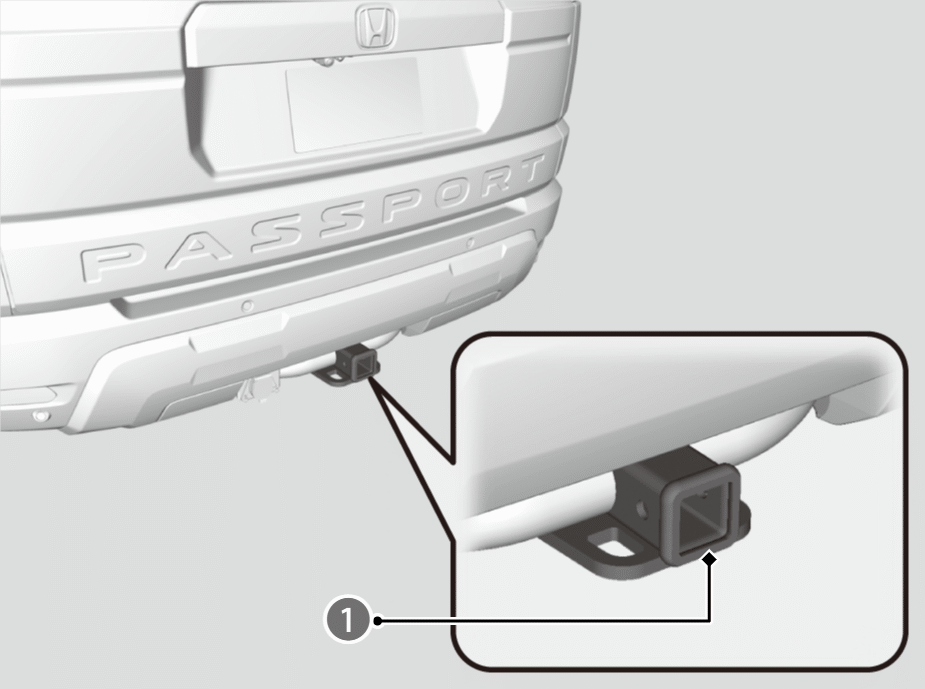
Trailer hitch
Your vehicle has a class 3 trailer hitch as standard equipment.
The hitch must be of an approved type and properly bolted to the underbody.
Weight distribution hitches
Your vehicle is designed to tow without the need for a load distributing hitch. If you wish to use one, please consult your trailer maker for proper installation and set-up.
Improper set-up could degrade the handling, stability, and braking performance of your vehicle.
Safety chains
Always use safety chains when you tow a trailer. Leave enough slack to allow the trailer to turn corners easily, but do not allow the chains to drag on the ground.
Sway control
This device can be used if your trailer tends to sway. Your trailer maker can tell you what kind of sway control you need and how to install it. Improper installation could degrade the handling and stability of your vehicle.
Trailer mirrors
Many states, provinces, and territories require special exterior mirrors when towing a trailer. Install special mirrors whenever you cannot clearly see behind you, or if the trailer creates a blind spot.
Trailer brakes
Recommended for any trailer with a total weight of 1,000 lbs (450 kg) or more:
- There are two common types of trailer brakes: surge and electric. Surge brakes are common for boat trailers, since the brakes will get wet. If you choose electric brakes, be sure they are electronically actuated. Do not attempt to attach trailer brakes to your vehicle’s hydraulic system, as it will lower braking effectiveness and create a potential hazard.
- The 4-pin gray connector installed in your vehicle has all of the circuits required to install most electric trailer brake controllers.
- Have a qualified mechanic install your trailer brake controller following the trailer brake controller manufacturer’s instructions. Failure to properly install the trailer brake controller may increase the distance it takes for you to stop your vehicle when towing a trailer.
Trailer brake controller connector
The 4-pin gray connector is located under dashboard near the driver’s side interior fuse box.
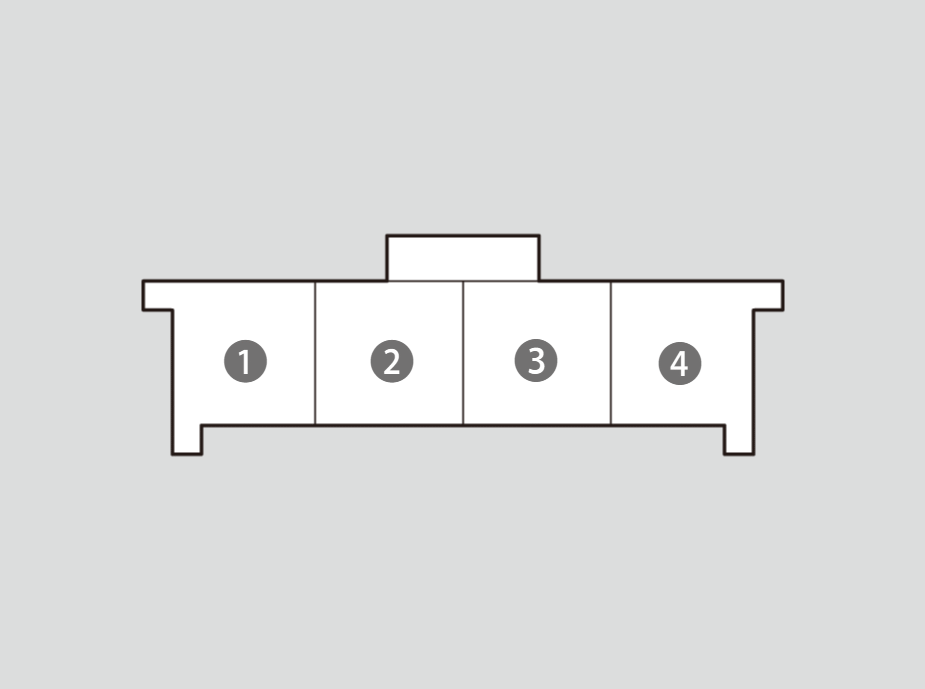
Ground (Black)
Electric Brake (Pink)
Stop (Violet)
+B (20A) (Green)
Trailer hitch harness
The trailer hitch harness is used to install the controller for the electric trailer brakes. Insert the trailer brake fuse into the engine compartment fuse box.
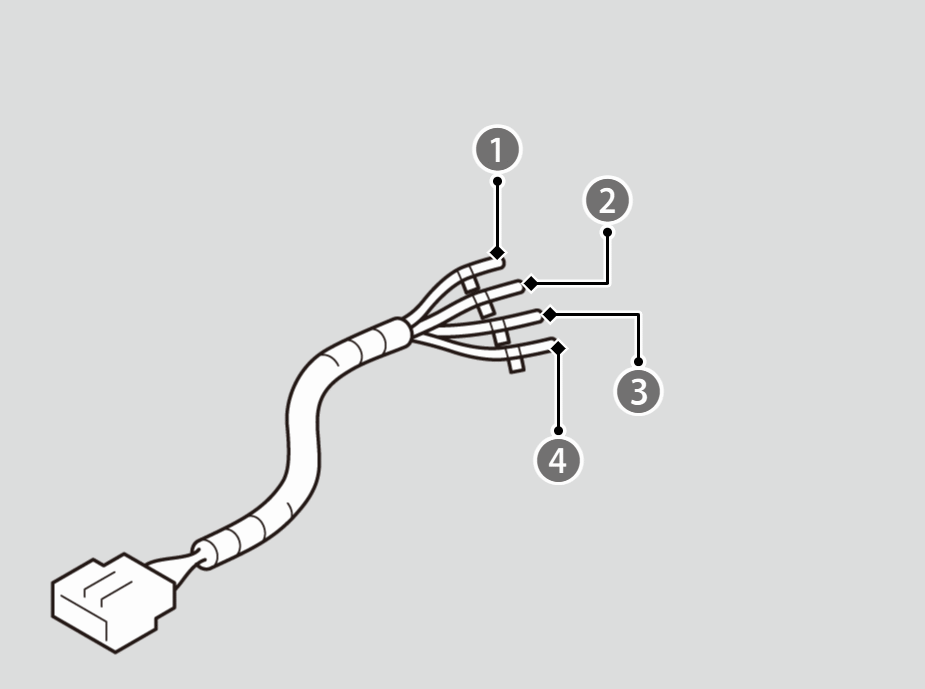
+B (20A) (Blue)
Brake Lights (Sky Blue)
Electric Brake (Brown)
Ground (Black)
The trailer hitch harness and trailer brake fuse are stored in the glove box.
Trailer light
The 7-pin trailer connector is needed for your trailer lights. When inserting the connector to the socket, check if the connector and the socket are free of dirt, moisture, or other foreign material.
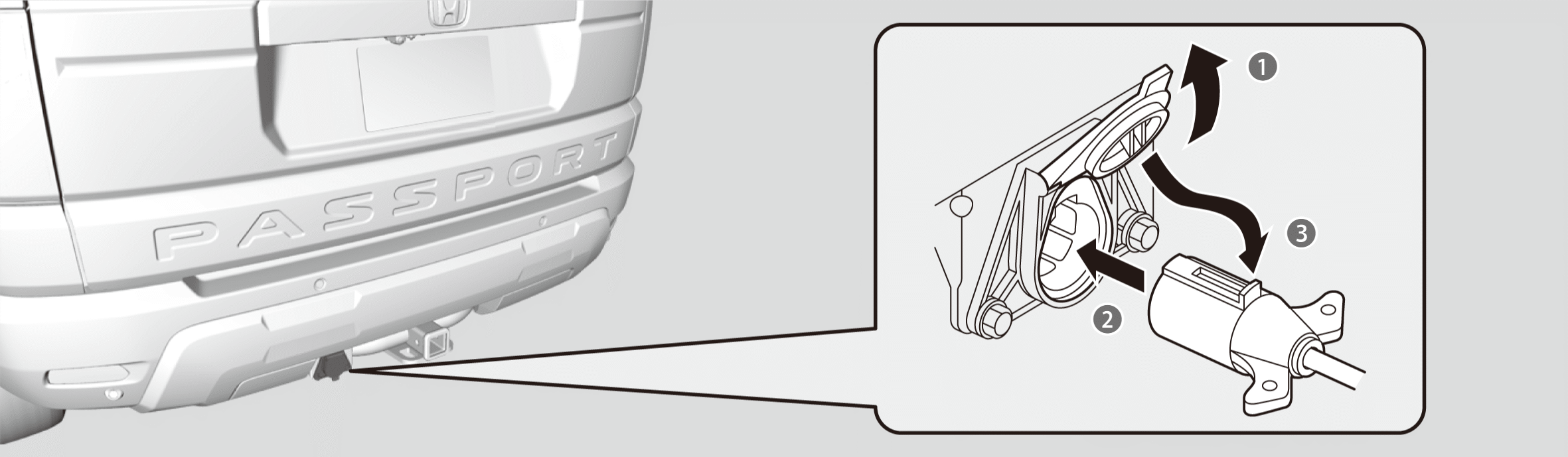
Pull the socket lid to open.
Insert the 7-pin trailer connector into the socket.
Hook the lid retaining tab onto the socket retaining tab.
7-Pin’s wiring color codes and their purpose:
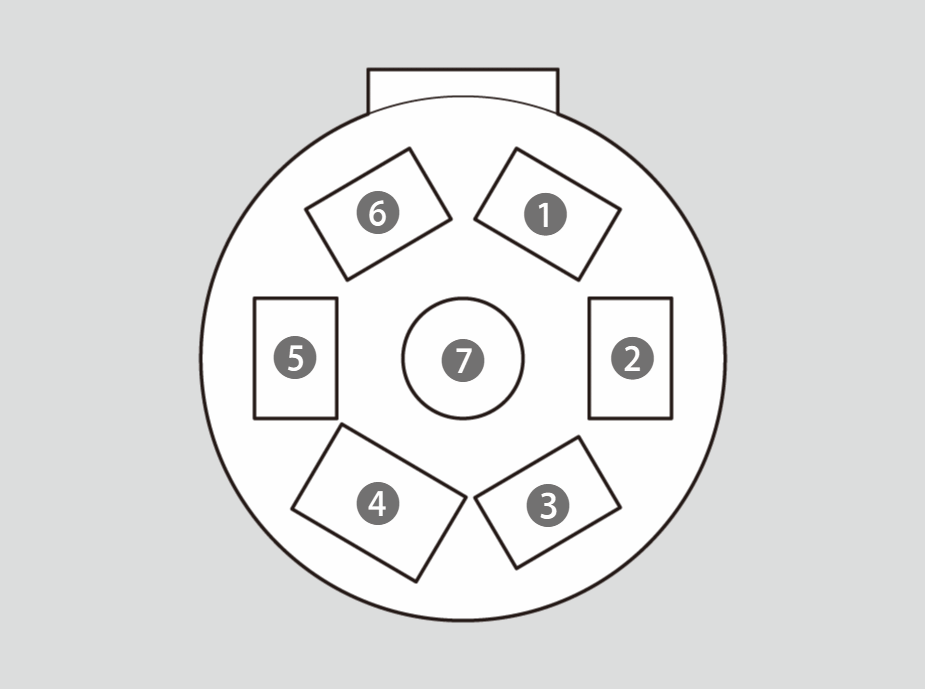
+B Charge (Green)
Right Turn signal and brake lights (Red)
Electric Brake (Pink)
Ground (Black)
Left Turn signal and brake lights (Light Green)
Tail lights (Black)

Back-up lights (Blue)
The trailer lighting connector is located behind the rear panel lining in the cargo area.
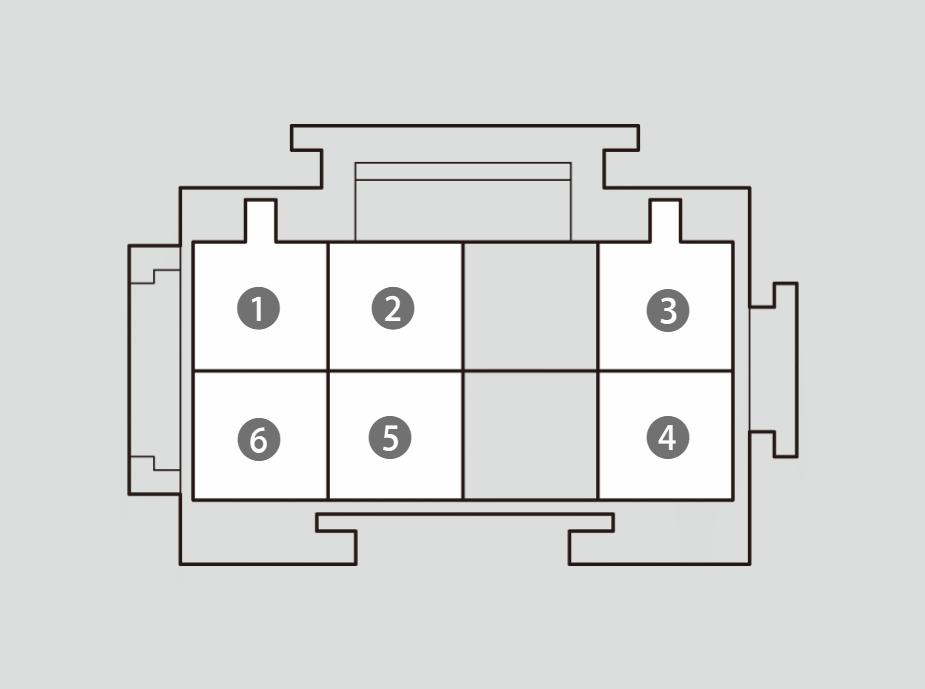
Right Turn signal and brake lights (Red)
Back-up lights (Blue)
+B Charge (Green)
Tail lights (Black)
Electric Brake (Pink)
Left Turn signal and brake lights (Light Green)
We recommend that you have a dealer install a Honda wiring harness and converter.
They are designed for your vehicle.
